
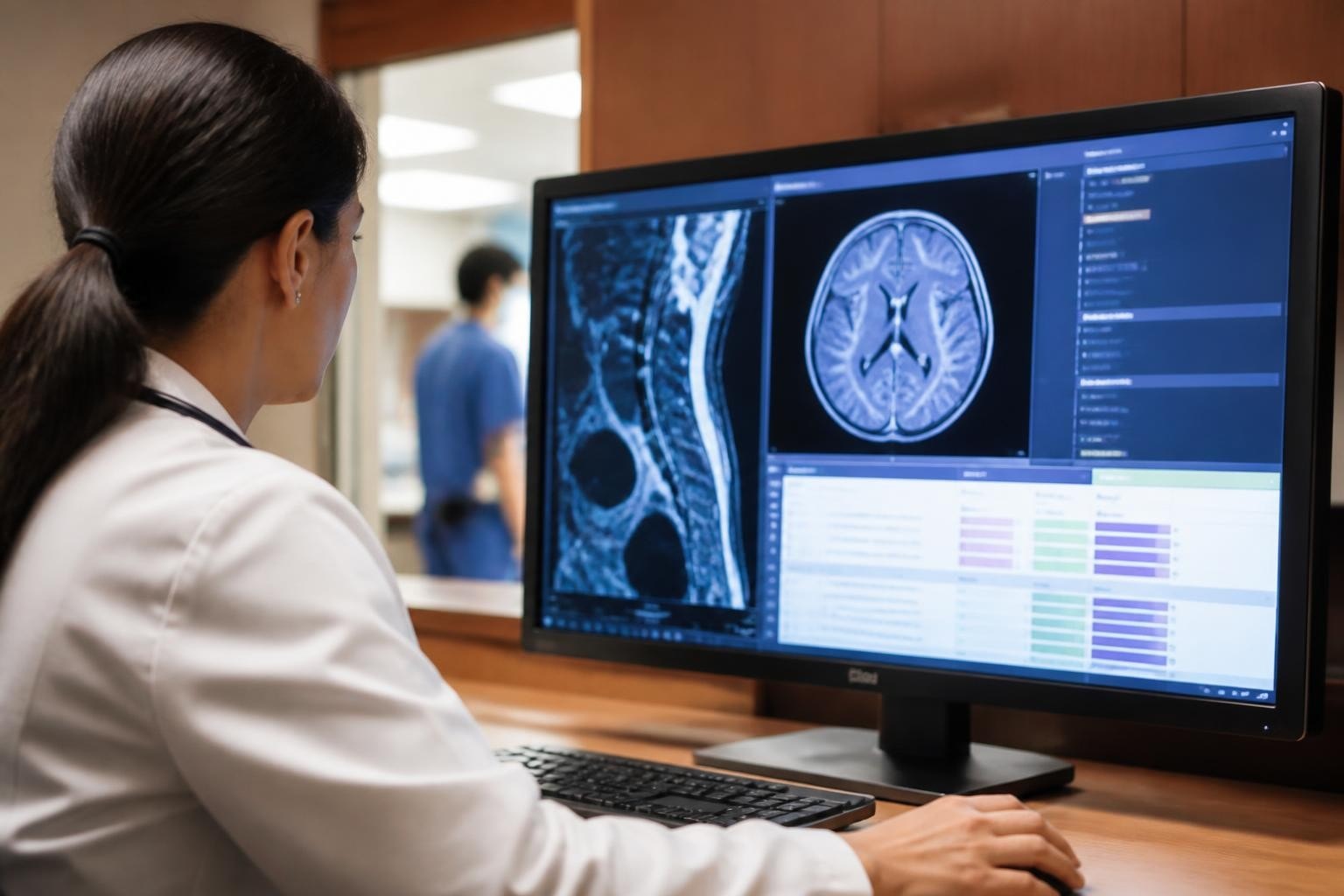
Tailored medical is no longer theoretical. It's what happens when a consultant reviews a patient's genomic profile before selecting chemotherapy, or when a hospital matches a locum doctor's credentialling to a specialty unit's exact requirements. The term describes care shaped by individual factors rather than population averages, and in 2026 it applies to both clinical treatment and the systems that support it. The scope has widened. Where personalised medicine once referred primarily to pharmacogenomics and cancer treatment, tailored medical now includes diagnostics, workforce planning, mental health pathways, and chronic disease management across all specialties.
What Tailored Medical Actually Covers
Tailored medical spans several domains. At the clinical level, it means using a patient's genetic markers, comorbidities, social circumstances, and treatment history to guide decisions. At the systems level, it refers to structuring care delivery around individual patient needs rather than fixed protocols. At the workforce level, it involves matching clinician expertise to the specific clinical environment.
Genomics and Pharmacogenomics
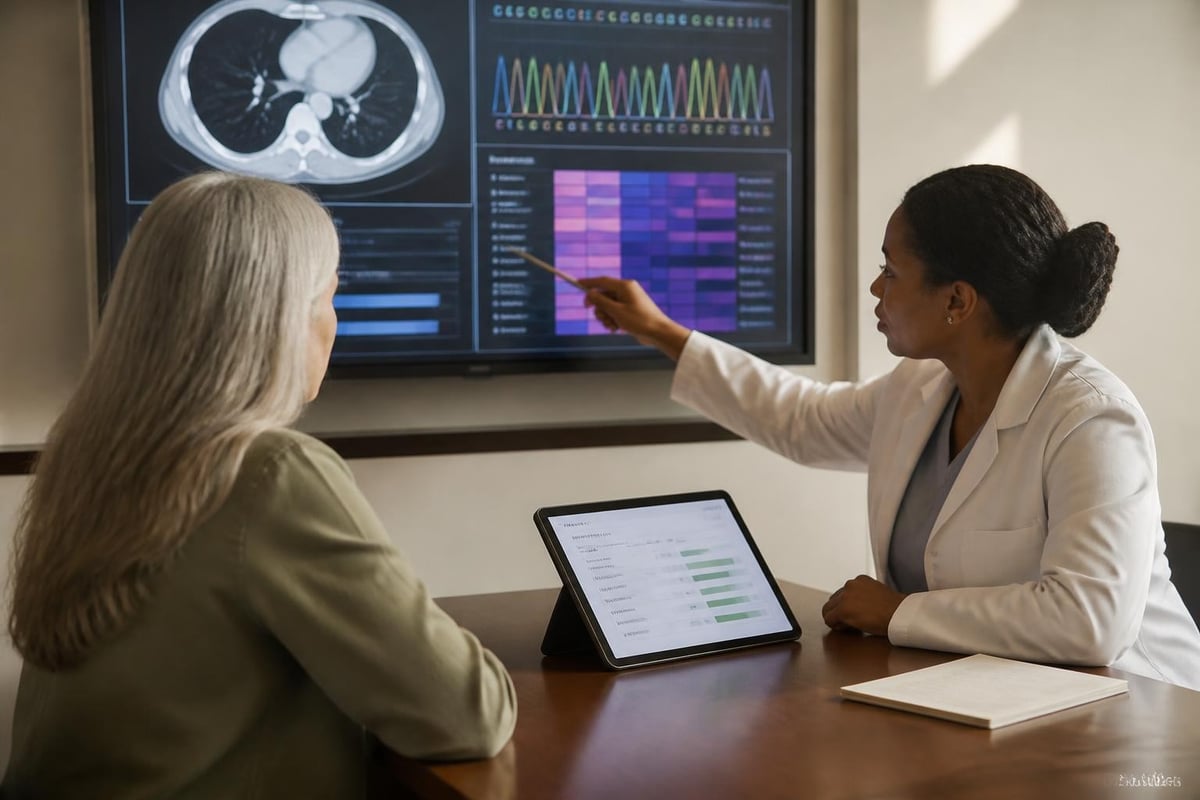
Genomic sequencing now informs treatment decisions in oncology, cardiology, psychiatry, and infectious disease. A patient's CYP2C19 genotype determines clopidogrel efficacy. HLA-B*15:02 status dictates carbamazepine use in epilepsy. BRCA1 and BRCA2 mutations guide prophylactic surgery and PARP inhibitor therapy. These are not experimental interventions. They are embedded in Australian clinical guidelines and reimbursed through the Medicare Benefits Schedule where evidence supports them.
The Lancet Oncology Commission on equitable cancer genomics outlined persistent challenges in implementation: access to testing, interpretation capacity, data infrastructure, and equity across regional and metropolitan settings. In Australia, those gaps are closing but not closed. A patient at a tertiary centre in Sydney has faster access to tumour profiling than a patient in a regional base hospital. The lag is measured in weeks, and it matters.
Diagnostic Pathways
Tailored medical also applies to how patients enter the system. Risk stratification tools now personalise triage in emergency departments. Patients presenting with chest pain are assessed using high-sensitivity troponin assays, clinical scores, and prior history to determine observation versus discharge pathways. The same logic applies in mental health: structured assessment tools guide whether a patient with depression receives outpatient therapy, intensive community support, or inpatient admission.
Imaging is increasingly adapted to individual risk. A woman with dense breast tissue and a family history of breast cancer receives supplemental ultrasound or MRI alongside mammography. A patient with inflammatory bowel disease undergoes MR enterography rather than CT to limit radiation exposure over repeated studies. These adjustments are small but cumulative. They reduce harm and improve diagnostic yield.
Workforce Matching as a Tailored Medical Function
Locum placement is a tailored medical activity. A hospital needing anaesthetic cover for a paediatric list requires a doctor with current ANZCA fellowship, paediatric subspecialty training, and appropriate indemnity. Placing a doctor without that profile creates clinical risk. Matching the right clinician to the right environment is not administrative convenience. It's patient safety.
Specialist medical doctor placements involve verification of specialty qualifications, procedural privileges, and facility-specific credentialling. A visiting medical officer covering obstetrics in a regional hospital must hold college fellowship, current RANZCOG membership, and documented competence in operative delivery. The process is the same whether the placement is three days or three months. That consistency is what makes roster management reliable.
Credentialling and Clinical Context
Credentialling is tailored medical in practice. A doctor credentialed for emergency medicine at a tertiary trauma centre may not be credentialed for the same role at a rural hospital with limited imaging and no neurosurgical backup. The clinical context changes the requirement. A registrar covering ICU in a metropolitan teaching hospital has different supervision arrangements than one in a standalone regional unit. Those distinctions are documented, verified, and matched before placement.
In 2026, this process is supported by digital credentialling platforms that track registration, indemnity, immunisation status, procedural logbooks, and supervisor reports. The platforms do not replace clinical judgement. They structure it. A hospital administrator reviewing a locum booking sees verified qualifications, not self-reported claims. A doctor accepting a placement sees a scope of practice aligned with their actual experience.
How Tailored Medical Intersects with AI and Predictive Models
Artificial intelligence is accelerating tailored medical by improving prediction and pattern recognition. Machine learning models trained on large datasets can predict which patients are at high risk for hospital readmission, sepsis, or deterioration on the ward. Those predictions guide resource allocation: earlier intervention, closer monitoring, or escalation to higher-level care.
A recent review in Springer Nature examined advances in AI for predictive medicine, noting improvements in imaging interpretation, genomic variant classification, and treatment response modelling. The models are not autonomous. They support decision-making by surfacing patterns clinicians might miss in complex datasets. A radiologist reviewing a chest CT receives an AI-generated probability score for pulmonary embolism. The score informs but does not replace interpretation.
Limitations and Bias
Tailored medical depends on the quality of the data used to train models and build guidelines. If a predictive algorithm is trained on a dataset that underrepresents Indigenous Australians, its accuracy in that population is lower. If a pharmacogenomic guideline is based on European ancestry data, its applicability to patients of Asian or African descent is uncertain. These are not hypothetical concerns. They are documented in the literature and require active correction.
Nature Medicine's review of precision public health highlighted the importance of diverse datasets and equitable access to tailored interventions. The risk is that tailored medical widens existing disparities if access is limited to well-resourced centres or specific demographic groups. In Australia, closing that gap requires investment in regional pathology networks, genomic data sharing, and training for clinicians outside major cities.
Practical Applications Across Specialties
Tailored medical is not confined to oncology or rare disease. It applies across the breadth of hospital practice.
Psychiatry
Pharmacogenomic testing guides antidepressant and antipsychotic prescribing. A patient with treatment-resistant depression may undergo CYP2D6 and CYP2C19 genotyping to identify poor metabolisers who require dose adjustment or alternative agents. The same approach applies to antipsychotics, where metaboliser status affects both efficacy and side effect risk. This is particularly relevant for mental health services that manage complex cases requiring multiple medication trials.
Obstetrics and Gynaecology
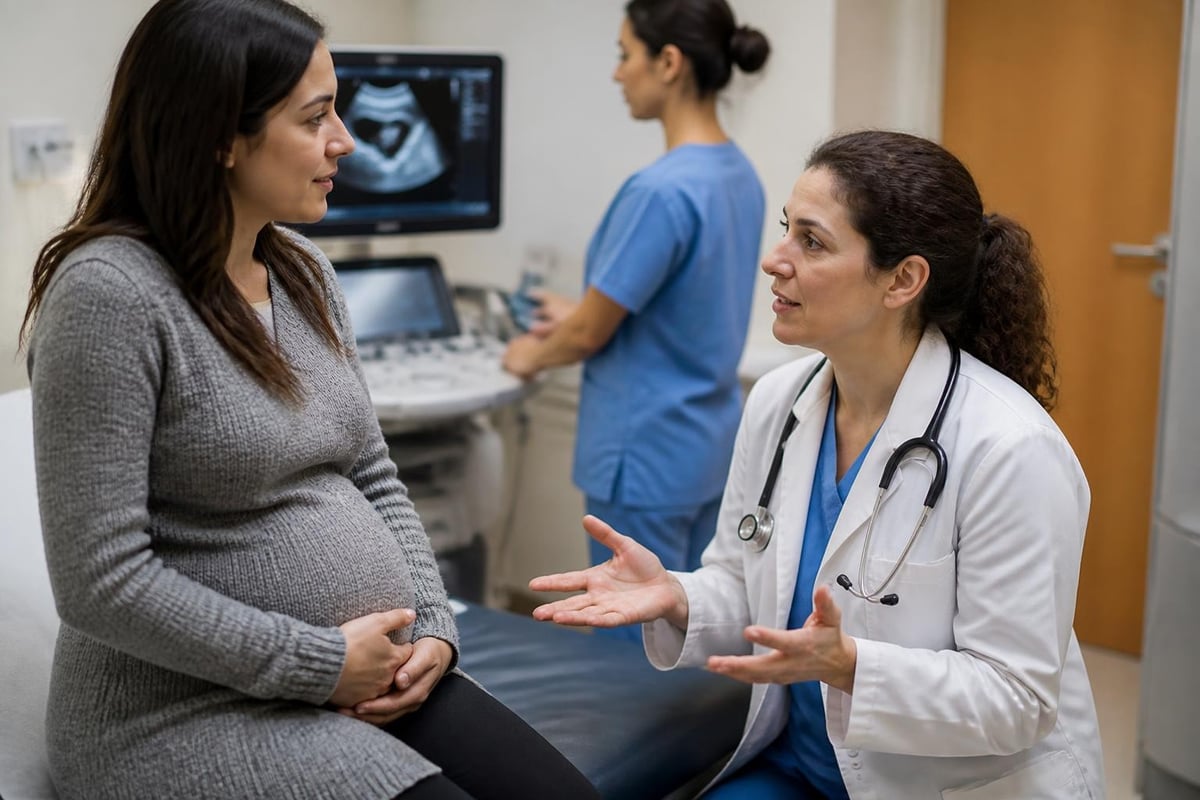
Non-invasive prenatal testing uses cell-free foetal DNA to screen for chromosomal abnormalities. Results inform further diagnostic decisions, including invasive testing or early specialist referral. In gynaecology, BRCA testing guides prophylactic oophorectomy timing and surveillance protocols for hereditary cancer syndromes. These pathways are individualised based on family history, genetic results, and patient preference.
Anaesthetics and Perioperative Care
Tailored medical in anaesthetics means adjusting drug choice and dosing based on comorbidities, prior reactions, and genetic factors. A patient with malignant hyperthermia susceptibility identified through genetic testing or prior episode requires a non-triggering anaesthetic protocol. A patient with chronic pain on opioid therapy requires individualised perioperative analgesia. These are standard adaptations in 2026, not exceptional cases.
Implementation Challenges in Australian Hospitals
Tailored medical requires infrastructure. Genomic testing needs accredited laboratories, bioinformaticians to interpret variants, and clinicians trained to discuss results with patients. Predictive models need IT systems that integrate with electronic medical records. Workforce matching needs verified credentialling data and real-time availability tracking.
Data Integration
Most Australian hospitals operate multiple disconnected systems. Pathology, radiology, pharmacy, and clinical notes sit in separate platforms. Tailored medical depends on integrating that data so a clinician sees the full picture: lab results, imaging, medication history, genomic data, and prior encounters. Progress is being made through initiatives like My Health Record and state-based digital health strategies, but integration remains incomplete.
Training and Literacy
Clinicians need training to interpret genomic data and use predictive tools appropriately. A registrar covering a medical ward needs to understand when a sepsis prediction alert is clinically meaningful versus algorithmic noise. A consultant ordering tumour profiling needs to know which mutations are actionable and which are variants of uncertain significance. That knowledge gap is addressed through continuing professional development, online modules, and clinical genetics consultation services.
Cost and Access
Tailored medical interventions are not uniformly accessible. Tumour sequencing through public hospital pathology may take six weeks. Private providers can return results in ten days, but at a cost many patients cannot afford without private health cover. Regional hospitals may lack on-site genetic counselling or subspecialty expertise, requiring telehealth consultations or patient transfer. These access barriers are being addressed but not eliminated.
What This Means for Locum Doctors
Doctors working in locum roles encounter tailored medical across different facilities with varying levels of implementation. A locum anaesthetist rotating through metropolitan and regional hospitals will see differences in access to point-of-care genetic testing, predictive analytics platforms, and subspecialty support. Adaptability is part of the role.
Understanding the local context is critical. Why regional healthcare relies on locum doctors is partly because those doctors bring expertise from multiple settings. A locum psychiatrist who has worked in tertiary mental health units and rural community services can tailor care based on available resources, not just ideal protocols. That flexibility is what makes the model work.
Credentialling for Tailored Roles
A locum doctor's credentialling file should reflect the breadth of their tailored medical experience. Procedural logbooks, subspecialty training, and evidence of competence in specific interventions all matter. A doctor who has completed pharmacogenomic prescribing modules or attended genomic medicine workshops brings added value to facilities developing those capabilities. That expertise is documented and verified during placement, ensuring the match is appropriate.
How Tailored Medical Changes Patient Outcomes
The evidence for tailored medical is strongest in oncology, where tumour profiling guides targeted therapy selection. A patient with metastatic lung cancer whose tumour harbours an EGFR mutation receives an EGFR inhibitor rather than chemotherapy, improving response rates and quality of life. A patient with melanoma harbouring a BRAF V600E mutation receives combination BRAF and MEK inhibition. These are established pathways with survival benefit.
Outside oncology, the evidence is more variable. Pharmacogenomic testing for antidepressants reduces trial-and-error prescribing but does not consistently improve remission rates across all studies. Predictive models for sepsis reduce time to antibiotics but have not yet shown mortality benefit in all settings. Tailored medical is not a panacea. It is a set of tools with specific, measurable benefits in defined contexts.

Systems-Level Tailoring in Workforce Planning
Hospitals increasingly apply tailored medical principles to workforce planning. Rather than filling shifts reactively, facilities map clinical demand by specialty, time of day, and patient acuity. A hospital with high emergency department presentations for mental health crises schedules psychiatry liaison cover during peak hours. A surgical unit with a high proportion of paediatric cases ensures anaesthetic cover includes clinicians with paediatric training.
This is where roster management becomes a tailored medical function. By analysing historical data and upcoming scheduled activity, a hospital can predict locum needs weeks in advance. That planning improves continuity, reduces gaps, and matches clinician expertise to actual case mix. It also reduces the stress on permanent staff by ensuring adequate cover without last-minute scrambles.
Real-Time Adjustment
Tailored workforce planning also means real-time adjustment. A hospital expecting routine elective surgery may suddenly receive a trauma activation requiring additional anaesthetic and surgical support. A mental health unit may experience an unexpected influx of patients requiring involuntary admissions. In both cases, rapid access to credentialed locum doctors is part of the tailored response. The system adapts to demand rather than forcing patients into rigid pathways.
Ethical Considerations
Tailored medical raises ethical questions about equity, consent, and data use. If genomic testing is available to some patients but not others based on postcode or insurance status, outcomes will diverge. If predictive algorithms are used without patient knowledge or consent, trust erodes. If genomic data is stored without adequate security, privacy is compromised.
Australian guidelines require informed consent for genetic testing, secure storage of genomic data, and clear communication about what results mean and do not mean. A patient undergoing BRCA testing must understand the implications for themselves and their relatives. A patient whose tumour is profiled must understand which mutations are actionable and which are not. That communication takes time and skill, and it is a non-negotiable part of tailored medical.
Data Ownership and Sharing
Who owns genomic data? The patient, the testing laboratory, the hospital, or the research institution that analysed it? In Australia, the patient retains ownership, but how that data is shared, stored, and used for research varies by jurisdiction and institution. Clear frameworks are needed to enable data sharing for research while protecting individual privacy. The Australian Genomics Health Alliance and similar initiatives are working toward those frameworks, but the work is ongoing.
How Tailored Medical Fits Into Everyday Practice
For most doctors, tailored medical is not a separate activity. It is embedded in routine care. Ordering a genetic test for a patient with a family history of hereditary cancer. Adjusting a medication dose based on renal function and prior response. Referring a patient to a subspecialist based on imaging findings and clinical trajectory. These are all tailored decisions, guided by individual patient factors rather than one-size-fits-all protocols.
The shift is toward making those tailored decisions more systematic and evidence-based. Rather than relying solely on clinical intuition, doctors have access to decision support tools, genomic databases, and predictive models that surface relevant information at the point of care. The tools do not replace judgement. They inform it.
Tailored medical is no longer aspirational. It is the way modern care is structured across diagnostics, treatment, and workforce planning. The challenge is ensuring equitable access and maintaining the clinical judgement that tools are meant to support, not supplant. If you're a facility looking to match clinical expertise with specific patient needs, or a doctor seeking placements that align with your subspecialty training, Best Practice Medical connects exceptional doctors with opportunities across Australia through thorough credentialling and targeted placement systems.