

GP locum work has become a significant part of Australia's primary care workforce model. Whether you're filling in for annual leave, covering unexpected absences, or choosing a locum career path entirely, the mechanics of this work differ substantially from sessional or salaried positions. Rates vary by location and urgency. Credentialling expectations shift between practices. Understanding what's actually involved before you commit to a booking saves time and prevents frustration on both sides.
Why Practices Need Locum GPs
Primary care in Australia runs on continuity, but continuity breaks. A principal takes parental leave. Another has surgery. A partner retires before a replacement is found. Practices need coverage that doesn't disrupt patient access, and they need it fast.
Locum GPs fill that gap. A well-matched locum maintains appointment availability, manages acute presentations, handles chronic disease reviews, and keeps the practice revenue flowing. For smaller practices especially, even a single unfilled session per week compounds quickly into lost billings and patient dissatisfaction.
Regional practices face this more acutely. The workforce pressure in regional and rural areas means locums aren't just covering leave, they're sustaining service delivery where permanent recruitment has stalled. Some practices operate with a rotating locum model by necessity, not choice.
Metro practices use locums differently. They might cover a planned sabbatical or bridge the gap between a resignation and a new hire. The timeline is usually known in advance, and the practice can brief the incoming doctor properly.
What Practices Look for in a Locum
Practices want someone who can start with minimal handover and manage independently from day one. That means current AHPRA registration, up-to-date CPD, valid medical indemnity, and ideally FRACGP or equivalent.
They also want someone who understands the practice software. Best Practice, Medical Director, Zedmed-each has quirks. If you've worked across multiple systems, mention it. If you haven't, expect to spend your first morning getting oriented.

Patient communication matters too. A locum who listens, documents clearly, and doesn't create follow-up confusion earns repeat bookings. Practices remember the locums who left incomplete notes or ordered tests without documenting the rationale.
How GP Locum Work Actually Pays
Rates for gp locum work in 2026 range from around $120 to $200 per hour, depending on location, notice period, and session type. Metro rates sit lower. Regional and rural placements pay more, particularly if you're covering a weekend or public holiday.
Most arrangements are percentage-of-billings rather than flat hourly. The practice takes 30% to 40%, you take the rest. This aligns incentives: you're motivated to keep the appointment book full, and the practice isn't paying for downtime.
Some practices offer a daily rate instead. This works better for practices with high walk-in volume or complex patients where billing predictability is low. Daily rates typically range from $1,200 to $2,000 depending on session length and location.
| Payment Model | Metro Range | Regional Range | Best for |
|---|---|---|---|
| Percentage of billings (60-70%) | $800–$1,400/day | $1,200–$2,000/day | High-volume practices |
| Flat hourly rate | $120–$150/hr | $150–$200/hr | Predictable session length |
| Daily rate | $1,200–$1,600/day | $1,600–$2,200/day | Complex case mix |
You'll invoice as a contractor in most cases, which means managing your own tax, super, and indemnity. The BMA locum handbook covers contract structures and tax considerations in detail, though UK-specific, the principles translate.
What Actually Affects Your Take-Home
Patient volume matters more than hourly rate. A $150/hour rate in a practice where you see 12 patients in four hours is worse than $130/hour seeing 20 patients. Ask about typical appointment numbers before you accept.
Billing mix also shifts the equation. A practice heavy with chronic disease management plans, mental health care plans, and health assessments generates higher billings per patient than one doing mostly scripts and certs. That percentage-of-billings model suddenly looks very different.
Add-on costs reduce your net. Travel to a regional placement might be reimbursed or it might not. Accommodation could be provided, or you might be covering it yourself. Clarify this upfront, particularly for placements more than two hours from home.
Credentialling and Registration Requirements
AHPRA registration is non-negotiable. You also need current medical indemnity that covers the scope of work you're doing. Some insurers have specific locum endorsements; others include it in standard cover. Check before your first shift.
For practices operating under certain funding models or accreditation standards, you might also need an RACGP or ACRRM fellowship. Non-fellows can still work as locums, but some practices limit what you can bill or require supervision arrangements that reduce your rate.
If you're working in a practice that bulk-bills or uses specific Medicare claiming pathways, you'll need a provider number linked to that location. Provider numbers are location-specific, so a new placement means a new application unless you've worked there before.
The NHS Employers code of practice outlines recruitment standards that, while UK-based, reflect similar credentialling expectations in Australia-particularly around verification and document handling.
Before any doctor is placed through Best Practice Medical, credentialling is verified in-house. AHPRA registration, indemnity, college memberships, and practice-specific requirements are confirmed before the booking is locked in. That process is managed by a practising clinician and backed by ISO 9001:2015 certification, which means it's audited annually.
Software and Clinical Systems
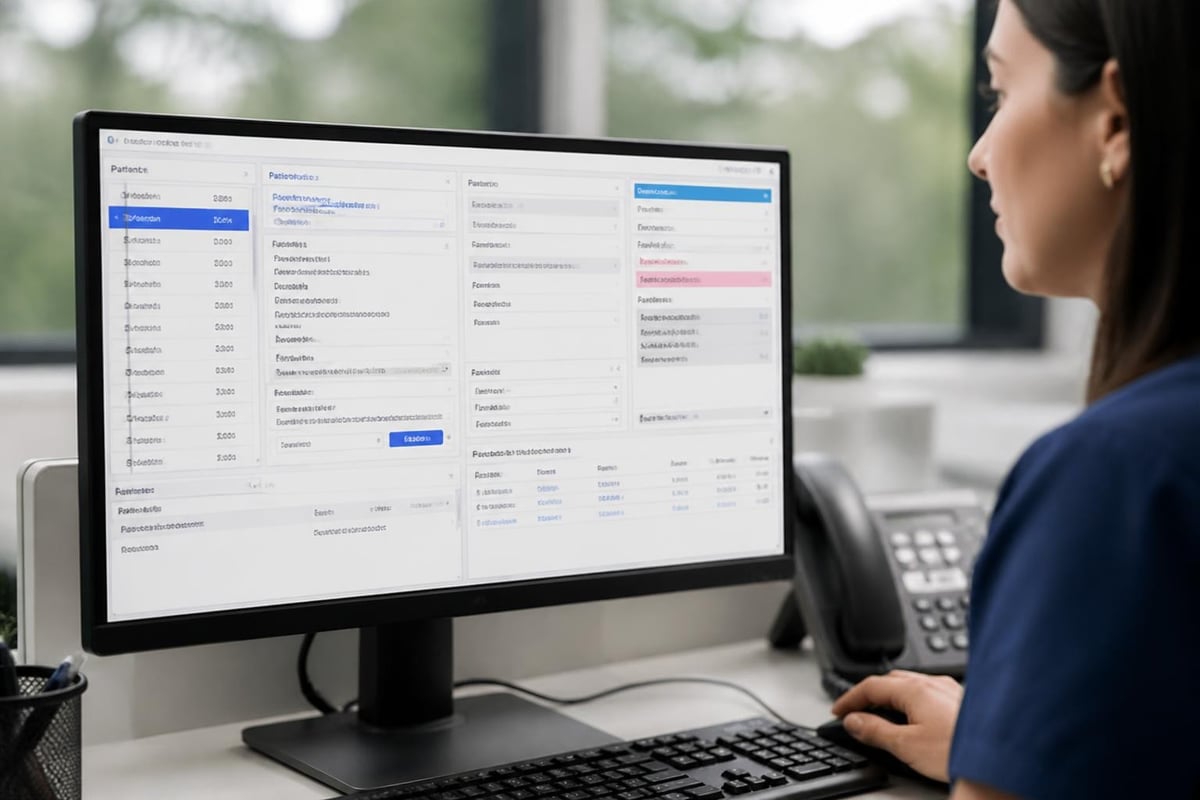
Every practice runs different software. You'll be asked to navigate it from the first consultation. Most systems share similar logic-patient search, notes, scripts, referrals, billing-but shortcuts and workflows differ.
Spend 20 minutes before your first patient getting familiar with the layout. Find where templates live, how to generate a referral, where to document a phone call. Ask the practice manager for a quick walkthrough if you're unfamiliar with the platform.
Billing codes are the other learning curve. Knowing the difference between a Level B and Level C consult, when you can claim a chronic disease item, and what qualifies for a mental health care plan makes a material difference to your daily take-home.
Short-Notice vs Planned Placements
Short-notice locum work pays more because it solves an urgent problem. A doctor calls in sick at 7am, and the practice needs someone by 9am. If you can do that, expect a premium.
Planned placements offer stability instead. You know the dates weeks in advance. You can block out your calendar, arrange other commitments, and arrive prepared. The pay is lower, but so is the stress.
| Placement Type | Notice Period | Typical Rate Premium | Duration | Best For |
|---|---|---|---|---|
| Emergency cover | Same day to 48 hours | +20% to +40% | 1–3 days | High flexibility, local |
| Short notice | 3–7 days | +10% to +20% | 1–2 weeks | Available at short lead |
| Planned locum | 2+ weeks | Base rate | 2 weeks to 6 months | Forward planning, travel |
Emergency cover favours doctors who live locally and have availability at short notice. If you're an hour away and need two days' notice, you're not the first call.
Longer placements-covering parental leave or an extended sabbatical-suit doctors who want consistency without commitment. You're in the same practice for three months, you know the patients, you understand the clinical workflows. It starts to feel less like locum work and more like a fixed-term role.
What to Confirm Before You Accept
Start with the basics: dates, hours, rate structure, and billing model. Then ask about patient load. How many appointments per session? What's the case mix? Are you expected to handle home visits or nursing home rounds?
Clarify who's covering after-hours. Some practices expect locums to take weekend calls. Others don't. If you're covering a regional placement, find out what the on-call expectations are and whether you're compensated separately.
Finally, confirm what's provided. Is there an orientation session? Will someone walk you through the software and introduce you to the team? For regional placements, is accommodation arranged or are you finding it yourself? The benefits of going locum include flexibility, but that flexibility works better when logistics are clear upfront.
Regional vs Metro Locum Work
Regional gp locum work pays more because it's harder to fill. A practice in regional NSW or Queensland might offer $1,800 to $2,200 per day because they're competing with metro opportunities and covering your travel.
But regional work isn't just metro work with a higher rate. The case mix is different. You'll see more chronic disease, more complex patients with limited specialist access, and more presentations that would have been triaged elsewhere in a city.
You're also more isolated. There's no ED five minutes away. Specialist referrals take weeks, not days. You're making clinical decisions with less backup, and patients expect you to know what you're doing because you're the only doctor they can see this week.
Regional healthcare reliance on locums has grown because permanent recruitment hasn't kept pace with population need. Some practices haven't had a permanent doctor in years. Locums are the workforce.
What Actually Makes Regional Work Harder
Distance affects everything. A metro locum drives 30 minutes to a practice, works a session, and drives home. A regional locum flies two hours, picks up a hire car, checks into accommodation, and starts the next morning. That's a day of travel before you've seen a patient.
The practice might be smaller and less resourced. There's no practice nurse for every consult. Pathology collection might only run three mornings a week. Imaging is basic. You adapt or you struggle.
But regional work also offers clinical variety that metro practices don't. You'll manage presentations you'd refer in the city. You'll develop skills in procedures and diagnostics that keep you sharper. Some doctors prefer it for that reason.
Managing Your Locum Calendar
Successful locum doctors treat it like running a business. You're managing your availability, negotiating rates, tracking invoices, and planning around your own leave.
Most locums work with multiple practices. You might have a regular slot with one practice every Tuesday, fill short-notice gaps with another, and take a two-week regional placement every quarter. That diversification smooths your income and keeps the work interesting.
But it also means you're constantly juggling. A practice offers you a week in March, but you've already committed to another placement. You turn down work, and they stop calling. Balancing availability with commitment is the core challenge of building a sustainable locum career.
Tracking Income and Expenses
You're invoicing as a contractor, which means tracking every shift, every rate variation, every travel reimbursement. A spreadsheet works. Accounting software works better.
Set aside 30% of your income for tax if you're not using a structure that withholds it. Super is on you as well-budget another 11% if you want to match what an employer would contribute.
Deductible expenses include indemnity, registration fees, CPD costs, professional memberships, travel to placements, and accommodation if it's not reimbursed. Keep receipts. The HMRC guidance on health professionals and VAT offers useful context on tax treatment, even though it's UK-based.
What Practices Expect from You Clinically
Practices expect you to manage the same scope as their permanent doctors. Acute presentations, chronic disease, mental health, paediatrics, women's health, minor procedures if credentialled. You're not there to cherry-pick easy cases.
You're also expected to document properly. Clear notes, coded diagnoses, follow-up plans that another doctor can understand. If you order a test, document why and what you're looking for. If you start a medication, note the indication and review plan.
Locums who under-document create work for the permanent doctors who follow. That gets noticed, and practices stop rebooking.
Building Relationships as a Locum
Patients notice when you're a locum. Some prefer continuity and will reschedule to see their usual doctor. Others are pragmatic and just want someone competent.
Building patient relationships as a locum starts with listening and explaining. Patients tolerate a locum who listens more than they tolerate a permanent doctor who rushes. Acknowledge that you're new to their file, ask about their usual care, and summarise what you've understood before you make a plan.
Repeat locums in the same practice start to build their own patient base. People ask for you specifically. That's when the work starts to feel less transactional.
Common Mistakes Doctors Make Starting Locum Work
The biggest mistake is underestimating the administrative load. You're managing contracts, invoices, credentialling, travel, accommodation, and tax. It's not just clinical work.
Second is assuming all practices operate the same way. They don't. One practice wants you to see 25 patients in a four-hour session. Another wants 12 and expects longer consults. Ask before you start.
Third is poor diary management. You accept overlapping bookings, double-book yourself, or forget to block out personal leave. Practices lose confidence quickly if you cancel confirmed shifts.
What to Do When a Placement Isn't Working
Sometimes a practice isn't a good fit. The case mix doesn't suit your skills. The software is impossible. The patients are hostile. The practice manager is difficult.
Finish the booking professionally, then don't go back. You're not obligated to return. Locums have the power to choose where they work, and practices that don't value you won't improve.
If the problem is serious-unsafe staffing, inadequate indemnity, pressure to bill inappropriately-document it and escalate. You're still responsible for the care you provide, even as a locum.
How Locum Work Fits with Training and CPD
Locum work during training has specific considerations. If you're a registrar or in a fellowship program, check what's allowed under your training plan. Some programs permit locum work during allocated education time; others don't.
The RCGP curriculum topic guides map how varied work relates to professional development. Locum experience can broaden your clinical exposure, but it doesn't replace structured training unless it's specifically designed for that.
For established GPs, locum work counts toward CPD the same as any other clinical practice. You're managing the same presentations, applying the same skills, and reflecting on the same clinical decisions.
If you're planning extended locum work overseas or in non-standard roles, the HEE guidance for trainees working overseas outlines appraisal and revalidation implications that apply in similar form to Australian doctors maintaining registration.
Balancing Locum Work with Other Commitments
Locum work offers flexibility, but flexibility requires discipline. If you're balancing locum sessions with research, teaching, or family commitments, block out your unavailable time first. Then fill the gaps.
Some doctors use locum work as a transition. You're winding down from full-time practice, or ramping up after parental leave. Locum shifts let you control your exposure without committing to a partnership or salaried role.
Others make it a long-term career. They prefer variety, higher rates, and the ability to move between locations. That works, but it requires financial planning and tolerance for income variability.
What Happens When You've Worked Somewhere Before
Returning to a practice you've worked before is easier. You know the staff, the software, the patient base. The practice knows you, trusts your clinical judgment, and books you with confidence.
Repeat placements also pay better. Practices are willing to pay a small premium to rebook a locum they know rather than risk someone new. You're less likely to encounter billing disputes or contract confusion because the terms are already established.
From your perspective, returning to a familiar practice reduces stress. You're not learning a new system every week. You know where the pathology forms are, who to call for urgent scripts, and which patients are complex.
Negotiating Better Rates for Repeat Work
If you're covering the same practice regularly, you have leverage. A practice that books you monthly would rather pay a modest increase than recruit someone new.
Approach it professionally. Acknowledge that the current arrangement works, but note that your availability is increasingly constrained and you're fielding higher offers elsewhere. Propose a rate that reflects the value you bring-consistency, familiarity, patient satisfaction.
Most practices will negotiate if you're reasonable. A 10% increase on a reliable, competent locum is cheaper than the risk of hiring someone unknown.
GP locum work in Australia offers clinical variety and income flexibility, but it requires discipline around credentialling, billing, and practice expectations. The doctors who succeed treat it like a business, manage their availability carefully, and choose placements that match their skills and tolerance for uncertainty. If you're looking for structured locum placements that handle credentialling, logistics, and rostering before you arrive, Best Practice Medical connects doctors with opportunities across metro and regional Australia, backed by clinical oversight and ISO-certified processes.